How to Plan a Combined Wildlife Safari and Beach Holiday in Tanzania
Blending the Best of Tanzania: Wildlife and Coastline
Tanzania offers one of the few places on earth where you can trade the roar of a lion for the sound of the Indian Ocean in the same trip. A safari beach holiday Tanzania combines two distinct landscapes: the vast savannahs of the Serengeti and the turquoise waters of Zanzibar. This article explains how such a trip works, what to expect, and what practical decisions you will need to make.
The appeal is straightforward. You spend several days on safari, watching animals move across open plains, then fly to a tropical island for rest on white sand. The contrast is part of the experience. The same country that holds the Ngorongoro Crater also hosts coral reefs and spice plantations. For anyone who wants both wildlife and water, a combined trip saves time and delivers variety.
What a Safari Beach Holiday Tanzania Actually Involves
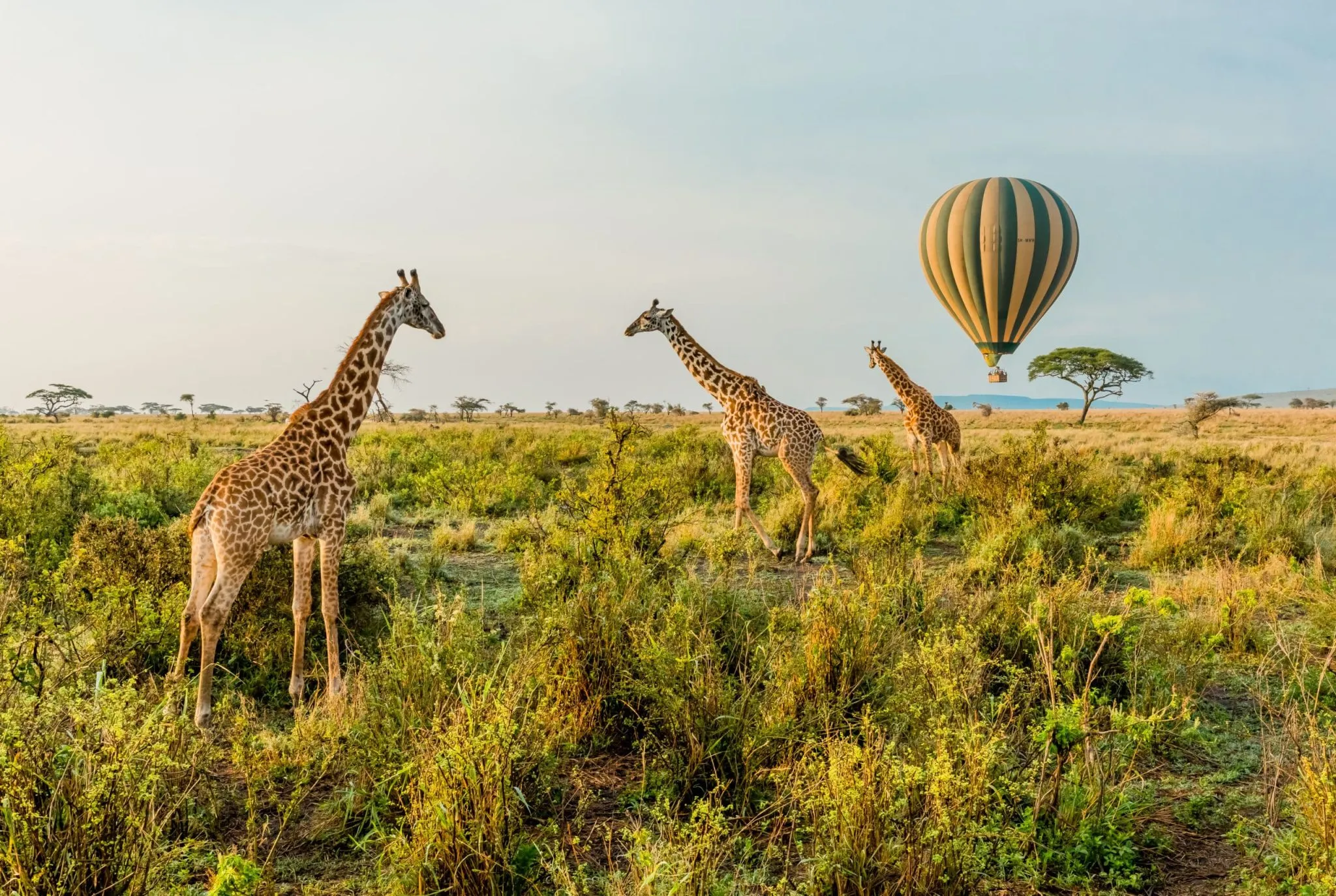
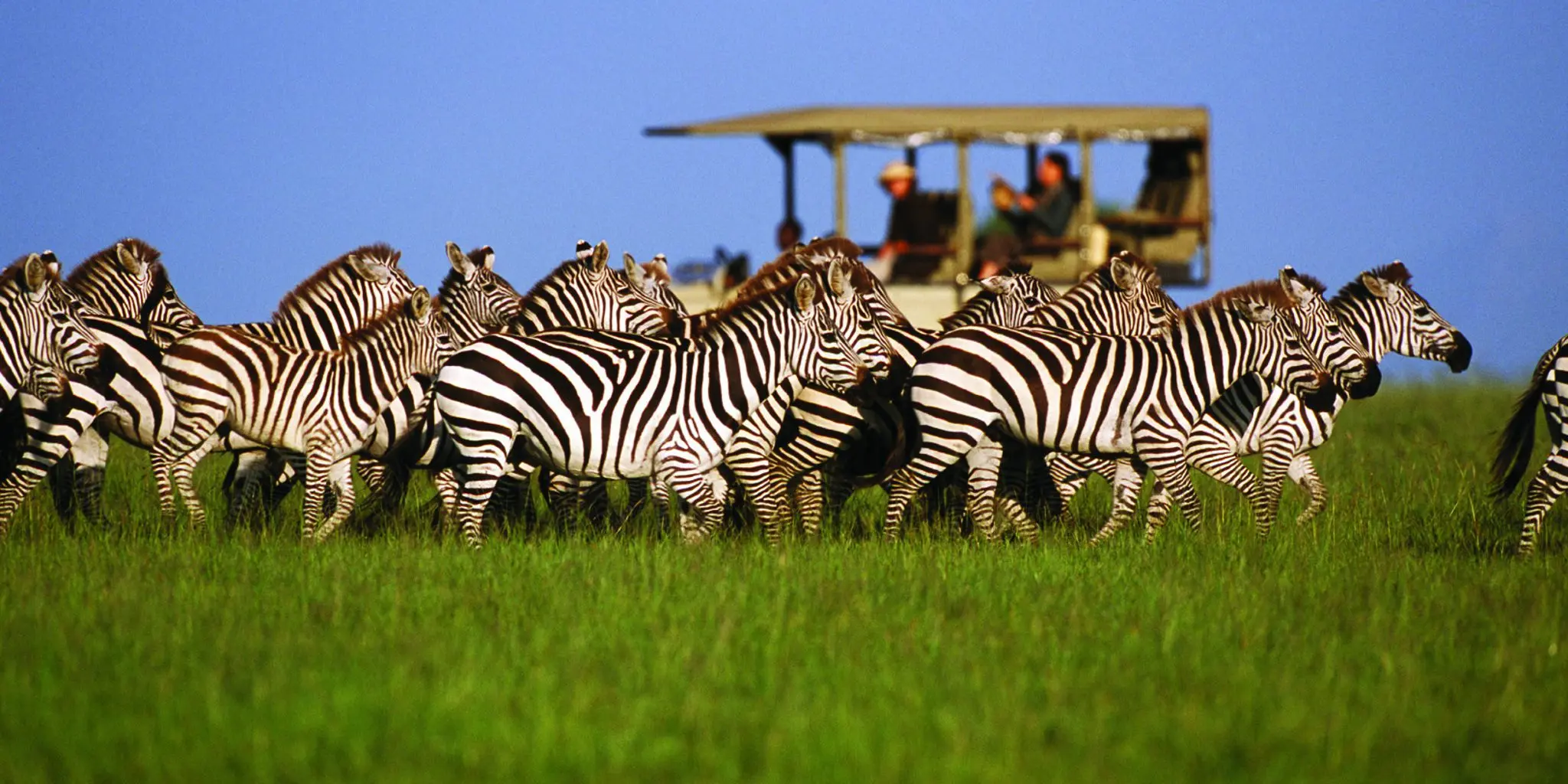
A typical itinerary starts on the mainland. Most visitors fly into Kilimanjaro International Airport or Arusha, then drive to Tarangire, Lake Manyara, or the Ngorongoro Conservation Area. The Serengeti is usually the centrepiece. You will spend three to five days game-driving across its different regions: the southern plains during the calving season, the western corridor for river crossings, or the northern Serengeti for the migration herds.
After the safari leg, you fly from an airstrip in the Serengeti or from Arusha to Zanzibar. The flight takes about an hour. Once on the island, you can stay in Stone Town, along the northeast coast near Matemwe, or on the quieter southeast shore. The switch from dusty tracks to ocean breeze is sudden but welcome. Many travellers use the beach portion to recover from early morning game drives and long drives between parks.
Choosing Your Safari Parks and Seasons
Not all parks work the same way in every month. The migration moves clockwise through the Serengeti ecosystem. From December to March, herds are in the southern Serengeti and Ngorongoro. From April to June, they move north through the central and western corridors. July to October sees them crossing rivers in the northern Serengeti and Maasai Mara in Kenya. November and December bring the herds back south.
If your main interest is predators, the dry season from June to October offers the best visibility because grass is short and animals gather around water sources. If you prefer lush scenery and fewer crowds, the green season from November to May has its own appeal. Rain does not stop game viewing, but roads can become muddy in some parks.
For a combined safari and beach trip, timing matters for both halves. The dry season on the mainland coincides with the cooler months on Zanzibar, which are still warm enough for swimming. The long rains on the mainland from March to May can make some safari roads difficult, but Zanzibar stays pleasant. The short rains in November are manageable on both sides.
Getting Between Safari and Beach
The most practical option for a combined trip is a fly-in safari. Instead of driving back to Arusha, you take a light aircraft from a Serengeti airstrip directly to Zanzibar. This saves a full day of travel. The flight is arranged as part of a tailor-made safari and usually includes baggage transfer. You do not need to handle your own luggage between legs.
If you prefer to see more of the mainland before the beach, you can drive from the parks to Dar es Salaam and catch a ferry or a scheduled flight to Zanzibar. That route takes longer but lets you stop at places like the Usambara Mountains or Mikumi National Park along the way. Most first-time visitors choose the fly-in option because it maximises time in the parks and on the beach.
What to Pack for Two Different Climates
A combined safari and beach trip requires a split packing strategy. On safari you need neutral-coloured clothing, a light jacket for early morning drives, a wide-brimmed hat, and comfortable walking shoes. Binoculars, a camera with a zoom lens, and a power bank are useful. On the beach you need swimwear, sandals, sun protection, and light cotton clothes. Zanzibar is conservative outside resort areas, so cover shoulders and knees when walking through villages or Stone Town.
Bring a single bag that works for both halves. A duffel or soft-sided suitcase is easier to store on small aircraft and safari vehicles. Hard cases take up space and can be awkward on bumpy roads. Many lodges offer laundry service, so you do not need enough clothes for the whole trip.
Choosing Accommodation on Safari and on the Beach
Accommodation on safari ranges from permanent tented camps to lodge rooms with en-suite bathrooms. For a combined trip, most travellers choose mid-range or luxury options because they want comfort after a day of driving. On Zanzibar, you can stay in boutique hotels, all-inclusive resorts, or private villas. The northeast coast has long stretches of beach with reef-protected swimming. The southeast side is quieter and better for kite surfing.
Think about the balance you want. If you stay in a tented camp on safari and then go to a simple guesthouse on the beach, the contrast can feel jarring. Some people enjoy that range. Others prefer a consistent standard of comfort throughout. Look for a itinerary that matches your own tolerance for roughing it.
Practical Details for a Smooth Trip
Visas and Entry
You need a visa for Tanzania. Most nationalities can get one on arrival at Kilimanjaro or Dar es Salaam airports, or apply online before travel. The visa covers the mainland and Zanzibar because the island is part of Tanzania. Keep your passport accessible at all entry points.
Health and Safety
Yellow fever vaccination is required if you are arriving from a country with yellow fever. Malaria prophylaxis is recommended for both the safari areas and Zanzibar. Carry insect repellent and sleep under a net where provided. On safari, always follow the guide's instructions about staying inside the vehicle. On Zanzibar, avoid walking alone after dark in unfamiliar areas and keep valuables in a safe.
Money and Tipping
Tanzania uses Tanzanian shillings, but US dollars are widely accepted in safari lodges and beach resorts. Bring small denomination dollars for tips and small purchases. ATMs exist in larger towns but are unreliable. Carry enough cash for the entire trip. Most lodges accept credit cards but charge a fee.
Communication
Mobile coverage is good in towns and along main roads but patchy in remote safari areas. Many lodges have Wi-Fi, but it can be slow. Download offline maps and entertainment before you leave. A local SIM card from companies like Vodacom or Airtel works in most phones and gives you data for around $10.
Common Mistakes to Avoid
- Underestimating travel distances. Tanzania is large. A game drive from one camp to another can take two to three hours. Plan rest days between long transfers.
- Overpacking. You will move between lodges and flights. A heavy suitcase becomes a burden.
- Skipping travel insurance. Medical evacuation from a remote safari camp can cost thousands. Get insurance that covers safari activities and helicopter evacuation.
- Ignoring the Zanzibar tide. The Indian Ocean has strong tides. Swim only during high tide at beaches with lifeguards or resort supervision.
- Forgetting that Zanzibar is a Muslim society. Dress modestly away from the beach. Public displays of affection are frowned upon in Stone Town and villages.
Why a Combined Trip Works So Well
A safari beach holiday Tanzania is not just about checking two boxes. The rhythm of the trip itself has a natural logic. You arrive, spend days in the bush watching predators and herds, then fly to an island where you can swim, snorkel, and eat fresh seafood. The beach portion gives you time to process what you saw. You can review photos, talk about the highlights, and simply rest. Many people say the contrast makes each part more vivid.
The trip also works for different travel styles. A tailor-made safari can be adjusted to your pace. If you want to focus on the migration, you can spend more days in the Serengeti. If you prefer the beach, you can extend your stay on Zanzibar and add a trip to nearby islands like Mnemba or Chumbe. The key is to work with a planner who understands both environments and can balance your time accordingly.
For a first-time visitor to Africa, a combined safari and beach trip is one of the most efficient ways to experience the continent's diversity. You see the wildlife that draws people from around the world, then you relax on a coast that feels far from any schedule. The logistics are straightforward once you understand the distances and seasons. With sensible preparation, the trip becomes a smooth sequence of two very different worlds.